


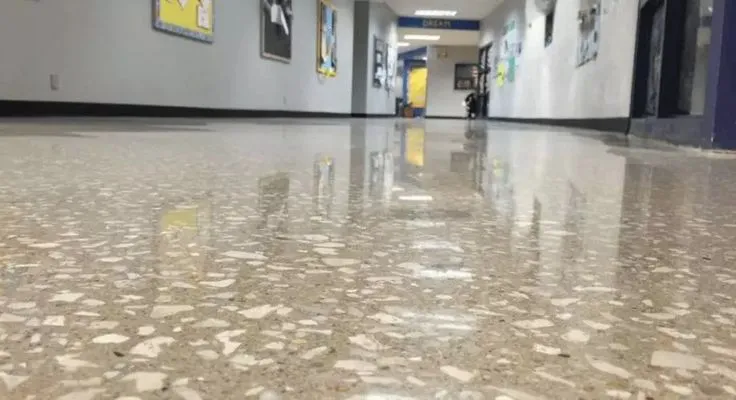
Commercial renovations often begin with a decision about what to remove. Old carpet, damaged vinyl and worn tiles can make an otherwise functional building appear outdated. However, replacing these materials without inspecting the underlying concrete may introduce unnecessary costs. Professional floor covering removal newcastle services can expose the existing slab and reveal opportunities for a different flooring approach. For property owners considering a modern industrial appearance, polished concrete may offer an attractive alternative to installing another conventional floor covering.
The Hidden Challenges Beneath Old Flooring
Removing carpet or vinyl may look straightforward, but the visible covering is only part of the job. Adhesive residues, leveling compounds and damaged surface layers can remain attached to the slab. These materials may interfere with whatever flooring system is installed next. Older commercial buildings can also contain several generations of flooring, making the underlying condition difficult to predict.
Before starting demolition, contractors should assess the type of covering, likely adhesive materials and the condition of the substrate. This helps establish a realistic scope rather than discovering additional work after removal begins.
Deciding Whether Concrete Can Remain Exposed
Once the existing covering has been removed, the slab may become a design opportunity. Concrete with suitable structural condition and surface characteristics can sometimes be refined into a finished floor. However, active movement, significant unevenness and persistent moisture problems can limit polishing options.
Previous repairs and stains may also remain visible after treatment, depending on their depth and location. A professional inspection, sometimes including a small test area, helps determine whether the intended appearance is achievable. The goal is to make decisions based on the actual concrete rather than relying entirely on showroom photographs.
Understanding the Polishing Process
Businesses investigating concrete polishing newcastle should understand that polishing is a mechanical finishing process rather than a simple application of shiny sealer. Specialised machines use progressively finer diamond abrasives to grind and refine the concrete surface.
Depending on the slab and desired finish, contractors may expose different amounts of aggregate. Densifiers and suitable protective treatments can also form part of the process. The resulting appearance depends on concrete composition, previous repairs and the polishing specification. A carefully finished slab may provide a distinctive appearance without another layer of conventional flooring material.
Questions to Resolve Before Renovation
Commercial property owners can avoid expensive misunderstandings by discussing several details before work begins.
-
Existing materials: Identify carpet, vinyl, tiles, adhesives and previous coatings.
-
Building age: Investigate whether potentially hazardous materials require testing.
-
Concrete condition: Check for cracks, moisture problems and uneven areas.
-
Desired finish: Compare matte, satin and higher-gloss appearances.
-
Access arrangements: Determine when work can proceed without disrupting occupants.
These considerations make the renovation easier to coordinate and help establish suitable expectations for the finished floor.
Managing Dust and Occupied Buildings
Floor removal and mechanical polishing can generate dust, noise and debris. In occupied commercial premises, contractors may need temporary barriers, extraction equipment and clearly separated work zones. Suitable dust controls are particularly important where nearby businesses, customers or employees remain on site.
Older flooring materials also require caution. Suspected asbestos-containing products should be tested and handled through the appropriate licensed procedures. Property owners should never assume that an unidentified adhesive or older tile can be removed safely without assessment. Planning containment and waste disposal helps protect the surrounding environment.
Considering the Appearance of the Building
Polished concrete works particularly well in interiors where natural materials and simple architectural finishes are part of the design. Retail spaces may benefit from its understated appearance, while offices can use decorative furniture and lighting to balance the industrial character.
Aggregate exposure and sheen influence how prominent the floor becomes. A matte finish may create a subtle background, while higher reflectivity can change the way overhead lighting appears. The existing slab ultimately influences the result, so design decisions should accommodate natural variations rather than expect complete uniformity.
Planning Around Commercial Handover Dates
Renovation schedules can become complicated when several trades depend on the condition of the floor. Removing coverings without addressing remaining adhesives may delay the next contractor. Unexpected repairs can also affect installation dates. Coordinating removal, preparation and finishing reduces unnecessary handovers and provides clearer responsibility for the completed surface.
Property managers should establish access arrangements, inspection stages and realistic completion requirements before the project begins. Early planning is especially valuable in retail premises where reopening dates may already be fixed.
Conclusion
Commercial floor renovations offer an opportunity to reconsider materials that may already be available within the building. Removing outdated coverings and assessing the concrete beneath them can reveal practical finishing possibilities. The best outcome depends on suitable preparation, realistic design expectations and careful coordination between trades. Businesses exploring concrete restoration and commercial flooring improvements throughout Newcastle and the Hunter Region can review the specialist services available through blastprepgrind.com before finalising their renovation plans.