


For decades, residential value was often associated with size. Larger units were perceived as inherently more desirable, offering room for future growth and lifestyle changes. However, buyer preferences in Singapore are evolving. Increasingly, how effectively a space can be used matters more than how large it is.
Modern households are more diverse and dynamic. Many buyers now prioritize functionality, efficiency, and adaptability over sheer floor area. Flexible homes offer the ability to change how spaces are used as needs evolve, making them more practical over the long term.
Efficient layouts often outperform larger but poorly planned homes. Well-designed spaces with clear circulation paths and adaptable rooms allow residents to maximize usability without feeling constrained. A flexible living area can support work, leisure, and social interaction within the same footprint.
Projects such as Vela Bay appeal to this shift in buyer mindset by emphasizing intelligent design rather than excess space. Homes are planned to support multiple uses while maintaining comfort and simplicity. This approach aligns with modern urban living, where efficiency is increasingly valued.
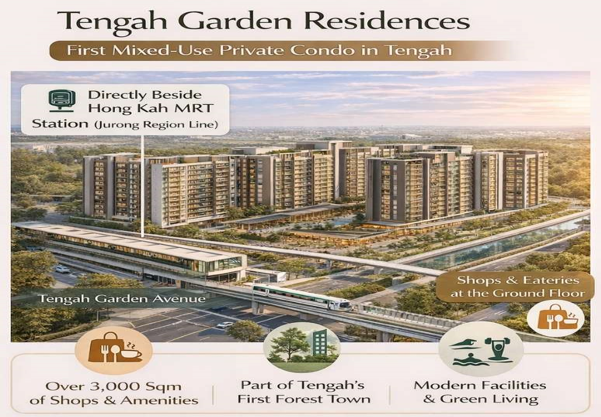
In family-oriented developments like Tengah Garden Residences, flexibility is reinforced through shared amenities and estate-level planning. Communal spaces, green corridors, and recreational facilities complement private living areas, reducing the need for oversized units. Residents can enjoy a balanced lifestyle without sacrificing adaptability.
Financial considerations also play a role in this shift. Larger units typically come with higher purchase prices, maintenance costs, and property taxes. Flexible homes offer a more efficient allocation of resources, delivering comparable livability at a lower overall cost.
From a resale perspective, flexible homes appeal to a broader range of buyers. Smaller households, families, and downsizers can all see value in adaptable layouts. This broader appeal supports sustained demand and reduces the risk of prolonged listing periods.
As urban living continues to evolve, buyers are increasingly recognizing that flexibility, not size alone, is a more reliable indicator of long-term satisfaction and value.
