


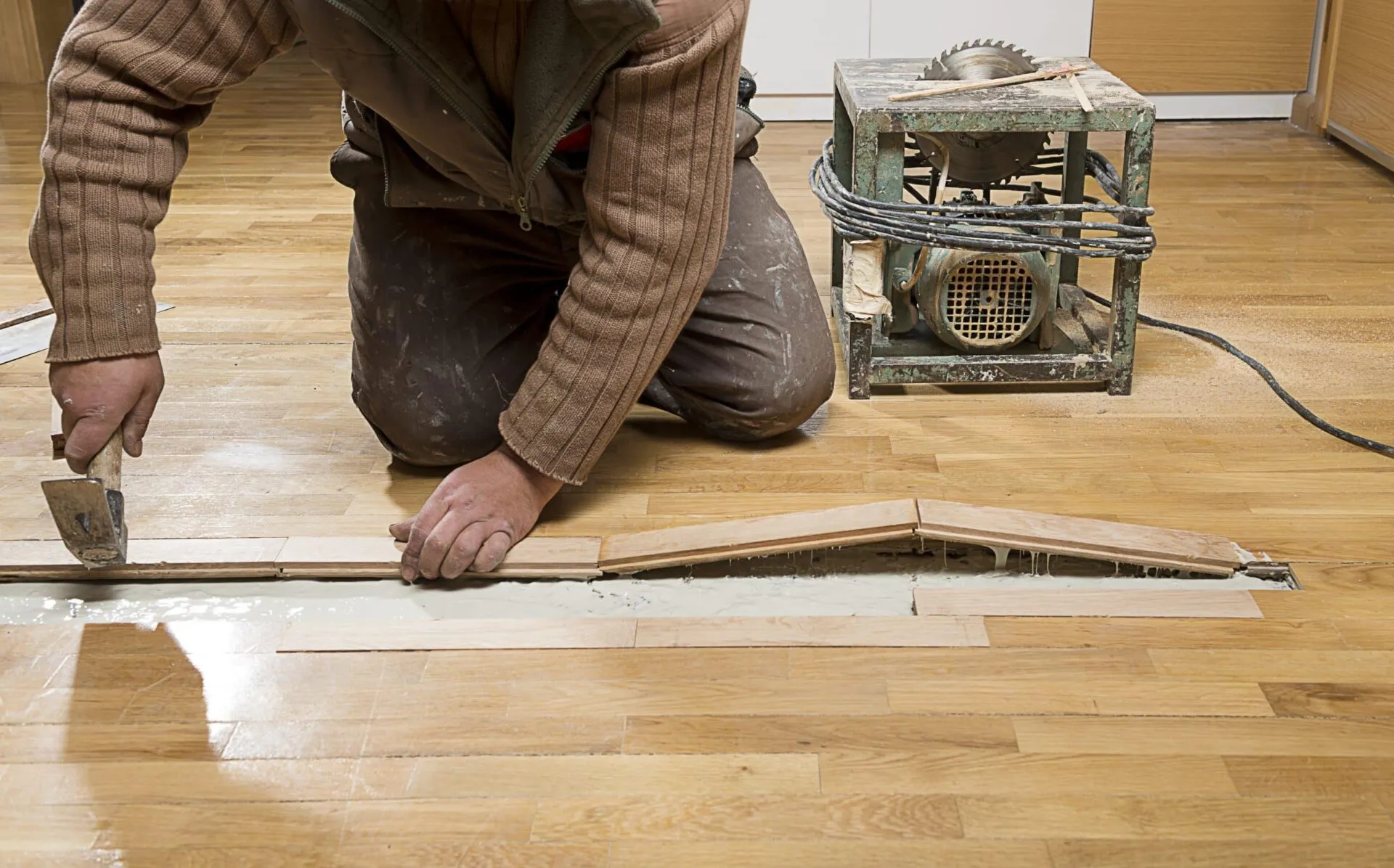
Hardwood floors often remain structurally sound long after their original appearance begins to fade. Scratches, dull finishes, and uneven coloration can make homeowners believe replacement is their only practical option. However, professional floor refinishing can restore the appearance of suitable existing boards while preserving the character of the property. Understanding the difference between surface deterioration and permanent damage helps homeowners make informed renovation decisions. A careful evaluation can reveal opportunities to improve flooring without the expense and disruption associated with complete replacement.
Understanding the Condition of Existing Hardwood
Before deciding whether to restore or replace hardwood flooring, homeowners should examine the condition of the boards beneath the visible finish. Surface scratches, fading, and minor discoloration do not necessarily indicate structural deterioration. More serious concerns include extensive water damage, persistent movement, severe warping, or insufficient remaining wood thickness. Solid hardwood generally allows multiple refinishing cycles, while engineered products depend on their wear layer. A professional assessment identifies whether sanding and finishing are appropriate or whether individual boards require repair before restoration can proceed safely.
Preserving the Character of Older Properties
Original hardwood flooring often contributes to the architectural identity of established homes. Natural grain patterns, board dimensions, and subtle variations in color can be difficult to reproduce with newly manufactured materials. Preserving these characteristics is particularly valuable when renovating properties with traditional interiors. Rather than removing the entire installation, selective repairs can address isolated damage while retaining surrounding boards. Matching replacement pieces may require careful consideration of wood species, grain, and age. Thoughtful restoration maintains visual continuity without unnecessarily sacrificing existing materials.
Addressing Wear Through Professional Restoration
Professional hardwood floor restoration involves more than improving surface shine. Depending on the condition of the floor, technicians may remove deteriorated coatings, repair damaged boards, sand uneven areas, and apply protective finishes. Each stage influences the appearance and durability of the completed surface. Proper sanding sequences help prevent visible scratches and inconsistent staining. Careful preparation also supports uniform coating application. When restoration is performed appropriately, existing hardwood can regain much of its original visual appeal while remaining suitable for everyday residential use.
Choosing Finishes That Complement Interior Design
The final appearance of restored hardwood depends on decisions about stain color, sheen, and protective coating. Natural finishes highlight the original grain, while darker stains can create a more formal appearance. Matte and satin surfaces generally make minor scratches and dust less noticeable than highly reflective finishes. Homeowners should also consider how lighting changes throughout the day. Testing finishes on the actual wood provides a more reliable impression than relying exclusively on showroom samples. These decisions help integrate restored flooring with furniture, wall colors, and architectural details.
Comparing Restoration With Complete Floor Replacement
Replacement becomes necessary when deterioration extends beyond what sanding or localized repairs can correct. However, removing serviceable hardwood introduces additional material, labor, and disposal costs. Restoration can preserve much of the existing installation and reduce unnecessary demolition. The financial difference depends on floor area, damage severity, repair requirements, and the selected finish. Homeowners should compare detailed estimates rather than assuming one approach is always cheaper. A practical decision considers the remaining lifespan of the flooring alongside its condition, appearance, and expected future maintenance needs.
Managing Disruption During Residential Renovations
Floor restoration requires careful scheduling because sanding, coating application, and curing can temporarily restrict access to treated rooms. Furniture must be removed, and adjacent areas may need protection from dust. Different finishing products have different drying times, odors, and ventilation requirements. Families should discuss access restrictions before work begins, especially when renovating bedrooms, hallways, or shared living spaces. Planning these arrangements reduces inconvenience and helps prevent premature use of freshly finished surfaces. Following the recommended curing schedule is important for protecting the completed work.
Maintaining Restored Floors for Lasting Performance
Long-term results depend on regular maintenance after the restoration process is complete. Removing abrasive dirt, using suitable cleaning products, and addressing spills promptly can reduce premature finish deterioration. Furniture pads help limit scratching, while entrance mats control tracked-in debris. Excessive moisture and aggressive cleaning methods should be avoided because they can damage protective coatings and the underlying wood. Homeowners should also monitor heavily used areas for early signs of wear. Timely maintenance may allow a simpler maintenance recoat before extensive sanding becomes necessary again.
Conclusion
Replacing hardwood floors should not automatically be the first response to visible aging. Many installations retain valuable material beneath worn finishes, making professional evaluation an important starting point. Homeowners planning renovations in Atlanta can explore restoration possibilities through atlantaflooring.io, which provides hardwood refinishing and related flooring services. Requesting a condition assessment and discussing suitable repair and finish options can clarify the most practical approach. A well-informed decision helps preserve usable flooring while improving the comfort, appearance, and long-term functionality of the home.