


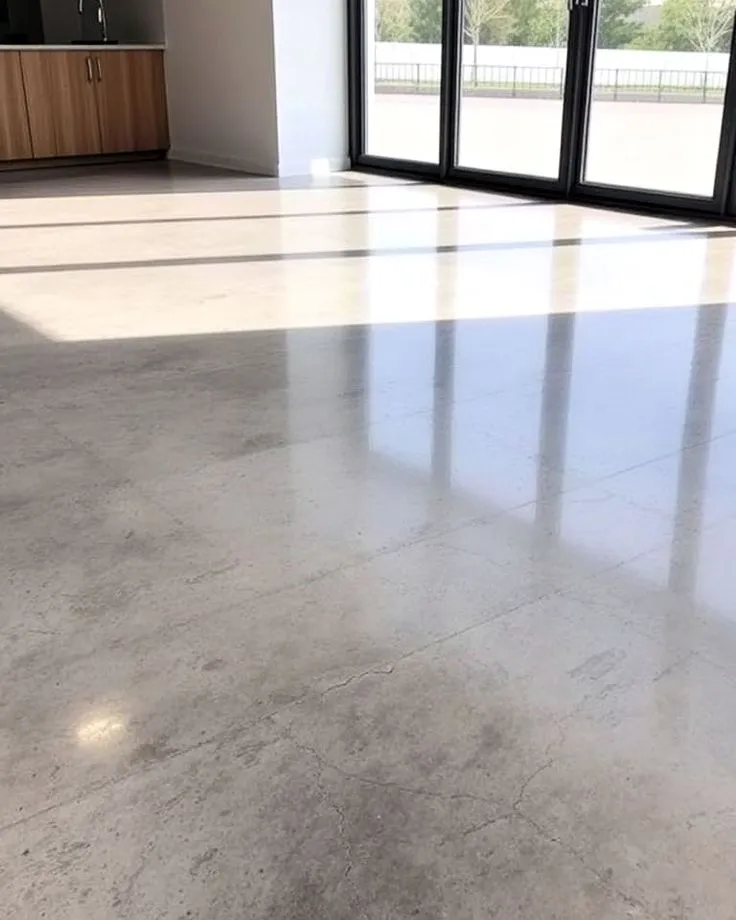
Commercial interiors are often designed around lighting, displays and furniture, yet the floor beneath these elements influences how the entire space feels. A reflective surface can change the appearance of a showroom, while a more restrained finish may suit offices or training facilities. Businesses considering polished concrete newcastle should understand that concrete finishes offer different combinations of reflectivity, visible aggregate and maintenance requirements. Selecting the right appearance involves evaluating the existing slab and the activities planned for the building. A thoughtful decision can create visual consistency without compromising practicality.
Understand the Difference Between Gloss and Aggregate
Concrete polishing allows varying degrees of reflectivity, ranging from relatively matte finishes to highly polished surfaces. However, gloss should not be confused with aggregate exposure.
Aggregate exposure describes how much of the stone within the concrete becomes visible after grinding. A floor can display noticeable aggregate without being highly reflective. These characteristics should be considered separately when choosing the intended appearance.
Explore How Lighting Changes the Finish
Natural daylight and artificial lighting can make the same polished surface look different throughout the day. Large windows may highlight aggregate patterns, while overhead lighting can create reflections across glossy areas.
Property owners should consider how visitors will experience the room under normal conditions. A highly reflective floor may complement certain showrooms but create unwanted glare elsewhere. Viewing sample areas under existing lights provides a more realistic impression than promotional photographs.
Examine the Condition of Existing Concrete
Older commercial floors may contain repairs, cracks, colour variations or remnants of previous surface treatments. These characteristics influence what can be achieved through mechanical polishing.
Professional concrete grinding newcastle services can prepare suitable concrete for further finishing. Grinding may remove surface imperfections and expose aggregate, but it cannot resolve every structural defect. Contractors should assess the slab before promising a particular appearance.
Match the Surface to Interior Activities
A retail showroom may prioritise presentation, while a training centre needs practical movement between tables and chairs. Warehouses have different mechanical demands from offices, even when the buildings use similar concrete materials.
Understanding these conditions helps determine whether mechanical polishing is appropriate. Furniture movement, cleaning frequency, pedestrian traffic and moisture exposure should all influence the final specification.
Balance Design With Accessibility
Commercial flooring should support safe movement for people using different mobility aids. Uneven thresholds, inappropriate surface texture and poorly maintained transitions can create unnecessary difficulties.
A polished appearance should not come at the expense of suitable traction. Entrances and areas exposed to water require particular attention. Applicable Australian slip-resistance requirements and accessibility considerations should guide the decision wherever relevant.
Plan the Decorative Details
Concrete finishes can complement many commercial interior styles. Exposed aggregate may work well with timber furniture, neutral walls and industrial architectural features.
Before selecting a particular finish, consider:
-
The amount of daylight entering the building.
-
Whether the room requires matte or reflective surfaces.
-
The desired level of exposed aggregate.
-
Existing repairs that may remain visible.
-
Expected pedestrian and equipment movement.
-
Cleaning and maintenance requirements.
These details help create a design that reflects the building’s actual conditions rather than relying on a generic decorative trend.
Coordinate Flooring With Other Trades
Grinding and polishing involve equipment that needs appropriate access to the concrete. Cabinets, fixed displays and completed interior finishes can restrict movement around the room.
Scheduling the work before installing delicate furniture may simplify the project. Contractors should discuss dust extraction, noise, temporary closures and protection of nearby surfaces. The installation programme should also account for repairs and any required treatment intervals.
Understand the Maintenance Requirements
Mechanically polished concrete can provide a relatively straightforward cleaning surface, but it is not maintenance-free. Abrasive debris should be removed regularly, particularly around busy entrances.
Use suitable cleaning products and follow the contractor’s care recommendations. Certain protective treatments may require periodic attention. Building managers should understand these requirements before selecting a finish so that cleaning teams can maintain the intended appearance.
Consider Future Changes to the Space
Commercial properties often change their layout as businesses develop. A showroom may introduce larger displays, while an office could become a training facility.
The flooring should be evaluated against foreseeable activities, particularly where equipment loads or cleaning requirements may change. Keeping installation specifications and maintenance records can make future assessments easier.
Conclusion
Concrete finishing can influence the lighting, appearance and practicality of a commercial interior. Understanding the difference between reflectivity and aggregate exposure helps property owners make more informed design decisions. Existing slab conditions, accessibility, maintenance and installation planning also deserve careful attention. For businesses exploring commercial concrete finishing across Newcastle and the Hunter Region, blastprepgrind.com provides information about grinding and polishing services. Choosing a finish that complements the building’s daily activities can create a consistent interior while preserving the practical qualities of the underlying concrete.