


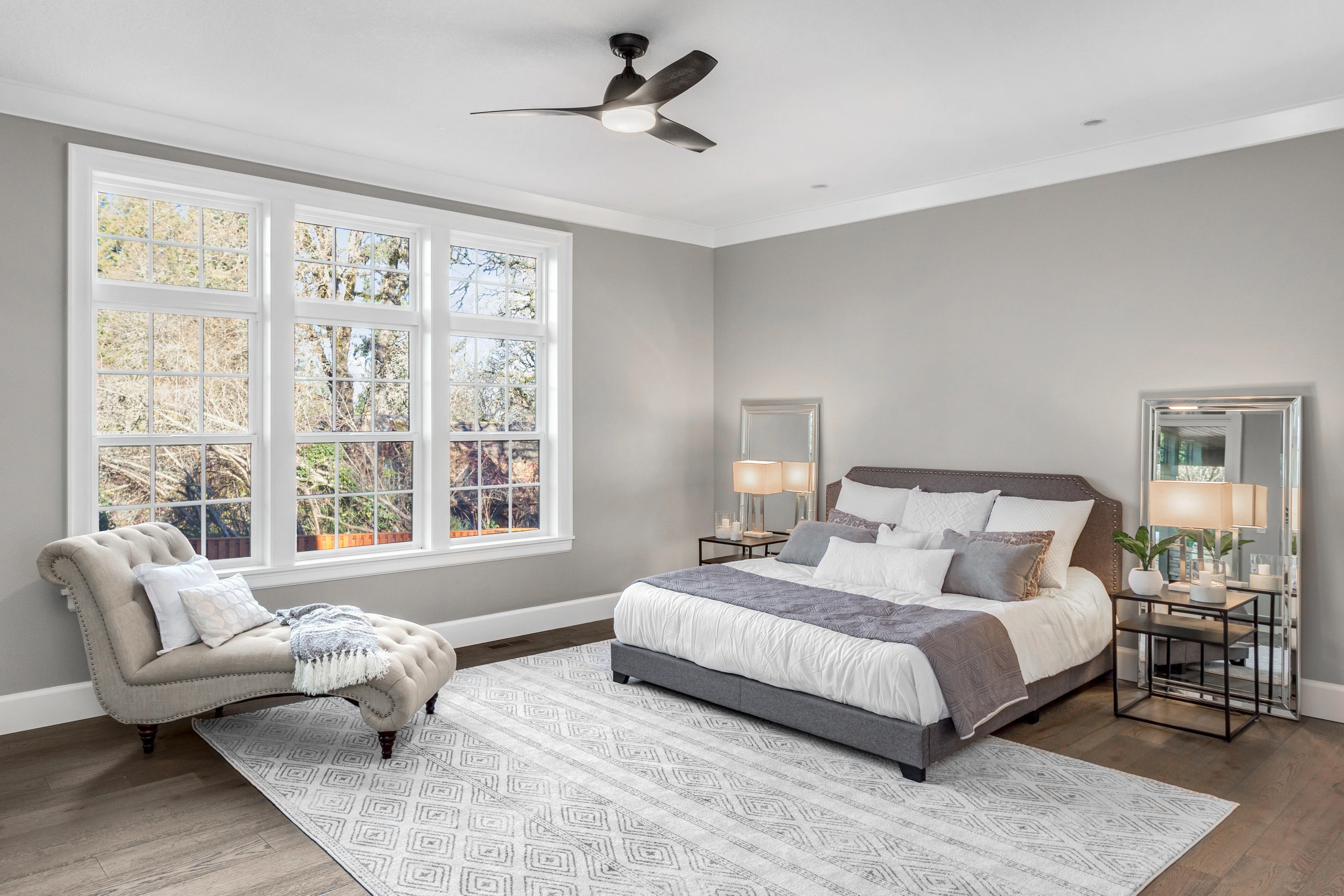
Yes, transitional rugs work well in small homes. The right size, color, and placement can define zones, add warmth, and make a room feel larger—not smaller. The key is choosing thoughtfully rather than avoiding rugs altogether.
Many homeowners assume that rugs are better suited for large, open-plan spaces. The logic seems reasonable: why add a rug to a room that’s already tight on space? But this is one of the most common decorating myths around.
Transitional rugs—those that blend traditional patterns with modern sensibilities—are among the most adaptable floor coverings available. They work across a wide range of decor styles, making them a practical choice for small homes where every design decision has to pull double duty.
This guide breaks down how transitional rugs can work in smaller spaces, what to look for when you shop, and the mistakes you’ll want to avoid.
What Are Transitional Rugs?
Transitional rugs sit at the intersection of traditional and contemporary design. They draw on classic motifs—medallion patterns, botanical borders, geometric shapes—but interpret them in muted tones, cleaner lines, and updated colorways that suit modern interiors.
The result is a rug that doesn’t clash with your existing furniture, whether it’s mid-century modern, coastal, or a mix of inherited pieces and new buys. That flexibility is exactly why transitional rugs are worth considering for small homes, where you need every element to work with the space rather than against it.
Why Transitional Rugs Work Well in Small Spaces
They define zones without walls or dividers
Small homes often combine multiple functions in one room—a living area that’s also a workspace, or a dining nook that flows into the kitchen. A transitional rug gives each zone a clear boundary without installing any permanent structures. It signals where one area ends and another begins, making the overall layout feel more intentional.
They add warmth and texture
Hard floors in small spaces can feel cold and echo-prone. A rug absorbs sound and adds a layer of comfort underfoot. For smaller rooms, even a modest-sized rug makes a room feel more finished and livable.
They create an illusion of space
This one surprises people. A well-placed rug with a subtle, repeating pattern draws the eye across the room rather than stopping it. Light-colored rugs, in particular, reflect natural light and make a floor plan feel more open than it actually is.
How to Choose the Right Transitional Rug for a Small Home
Size: Does bigger always mean better?
In small spaces, rug sizing is everything. A rug that’s too small looks like a postage stamp in the middle of a room. A rug that’s too large can make the space feel crowded.
A good rule of thumb: leave 12 to 18 inches of bare floor between the rug’s edge and the wall. This creates a visual frame around the space and makes the room feel more proportionate.
In a small living room, aim for at least the front legs of your sofa and chairs to sit on the rug. This anchors the seating area without requiring a massive rug.
Color and pattern: What actually makes a room feel bigger?
Light colors—creams, soft grays, warm whites—reflect more light and open up a space visually. For small rooms, these tones tend to be the safest starting point.
That said, a bold pattern used intentionally can work as a focal point. If the rug is the most eye-catching element in the room, it draws attention downward rather than highlighting the room’s limited square footage. The key is restraint—one strong statement piece, not several competing ones.
Material and pile height: Keep it practical
Low-pile rugs are generally the better choice for small spaces. High-pile or shaggy rugs can visually “raise” the floor level, which in a small room makes ceilings feel lower. Low-pile options also tend to be easier to clean, which matters in high-traffic areas like hallways and entryways.
For materials, wool rugs offer durability and a soft finish. Silk rugs add a subtle sheen that reflects light—a practical bonus in smaller rooms.
Room-by-Room Styling Tips
Living Room
Place the rug so at least the front legs of your main seating are on it. If the room is very compact, a “floating” arrangement—where the rug sits in the center of the seating area without touching any furniture legs—can also work, as long as the rug is appropriately sized.
Bedroom
A rug that extends 18 to 24 inches on either side of the bed gives the space a grounded, finished look. If your bedroom is particularly small, two bedside runners placed on each side of the bed are a practical alternative.
Dining Area
The rug should extend at least 24 inches beyond the edge of the table on all sides. This ensures chairs stay on the rug even when pulled out—a detail that matters for both function and visual balance.
Entryways and Hallways
Long, narrow runners are ideal here. They elongate the space and guide the eye from one area to the next. In a small entryway, a runner with a subtle directional pattern creates a sense of movement and depth.
Where to Buy Transitional Rugs for Small Homes
The case for buying rugs online
Buying rugs online gives you access to a far wider selection than most physical stores carry. You can filter by size, material, and color—then compare options without leaving home. Many online rug retailers also offer detailed product photography and room mockups, which makes it easier to visualize how a rug will look in your specific space.
Why premium handmade rugs from India are worth considering
India is home to some of the world’s finest rug-making traditions, particularly in Bhadohi, Uttar Pradesh—a region recognized globally as a center for hand-knotted carpet production. Premium handmade rugs from India are crafted using techniques passed down across generations, resulting in pieces that are durable, detailed, and genuinely unique.
For small homes, a handmade rug offers something that mass-produced alternatives don’t: character. Because each rug is made by hand, the texture, pattern, and finish have a depth that photographs poorly but looks exceptional in person.
The Ambiente: Handcrafted Rugs from Bhadohi
The Ambiente is a design-led rug atelier based in Bhadohi, India, with a flagship store in New Delhi. Founded by Avani Khandelwal and Ayush Baranwal, the brand is backed by 30 years of manufacturing expertise through its parent company, Bhadohi Carpets.
The Ambiente has served over 5,000 clients across India and internationally. The brand works with more than 4,000 artisans—the majority of whom are women—producing handcrafted silk and wool rugs that combine traditional weaving techniques with contemporary design.
For small homes, The Ambiente’s transitional rug collection is particularly useful. The rugs bridge classic patterns with modern colorways, which means they integrate easily into mixed or evolving interiors. Ready-to-ship options are available, so you’re not waiting months for a custom order.
Common Mistakes to Avoid
Choosing the wrong size is the most frequent error. When in doubt, go larger rather than smaller—a rug that’s too large is easier to work with than one that looks lost in the room.
Ignoring maintenance requirements in high-traffic areas. Small homes often have less floor space, which means foot traffic is more concentrated. Opt for materials that are easy to clean and maintain, particularly in hallways, kitchens, and entryways.
Ignoring existing decor when selecting a rug. A transitional rug should complement what’s already in the room. Before you buy, note the dominant colors in your furniture, curtains, and walls—then choose a rug that picks up on two or three of those tones rather than introducing an entirely new palette.
Small Spaces, Smart Choices
Transitional rugs belong in small homes. They’re flexible enough to work with different decor styles, practical enough to add warmth and define zones, and—when chosen carefully—capable of making a compact room feel more open and considered.
The most important step is getting the sizing right. After that, the decisions around color, material, and placement become much easier.
If you’re ready to shop, look for sellers who offer a clear range of sizes and detailed product information. For those who want a rug that holds its value over time, premium handmade rugs from India—particularly from established brands like The Ambiente—offer craftsmanship and quality that mass-market options rarely match.
Frequently Asked Questions
Are transitional rugs a good choice for small living rooms?
Yes. Transitional rugs work well in small living rooms because their versatile patterns and neutral-to-moderate color palettes complement most furniture styles. The key is selecting the right size—at least large enough for the front legs of your main seating to rest on the rug.
What rug size works best in a small bedroom?
For a small bedroom, look for a rug that extends 18 to 24 inches beyond the sides of the bed. If the room is very tight, two narrow runners on either side of the bed are a practical alternative.
Do rugs make small rooms look smaller?
Not when chosen correctly. A rug that’s too small can make a room feel disjointed. A properly sized rug with a light color or subtle pattern can actually make a small room feel more open by framing the floor space and reflecting light.
What pile height is best for a small home?
Low-pile rugs are the most practical option for small homes. They’re easier to clean, less likely to trap dust and allergens, and don’t visually “raise” the floor the way high-pile rugs can.
Why should I buy rugs online instead of in-store?
Buying rugs online gives you access to a significantly larger range of sizes, materials, and patterns. Most online rug retailers—including The Ambiente—provide detailed descriptions and sizing guides to help you choose with confidence.
What makes handmade rugs from India worth the investment?
Handmade rugs from India, especially those from Bhadohi, are produced using traditional weaving techniques that result in durable, detailed, and unique pieces. Unlike machine-made rugs, they have a texture and depth that improves with age. Brands like The Ambiente also support artisan communities, so your purchase has a broader social impact.
How do I choose the right color for a transitional rug in a small space?
Start with light or neutral tones—creams, soft grays, warm whites—to keep the space feeling open. If you want more visual interest, choose a rug with a subtle pattern in two or three tones that already appear in your existing decor.