


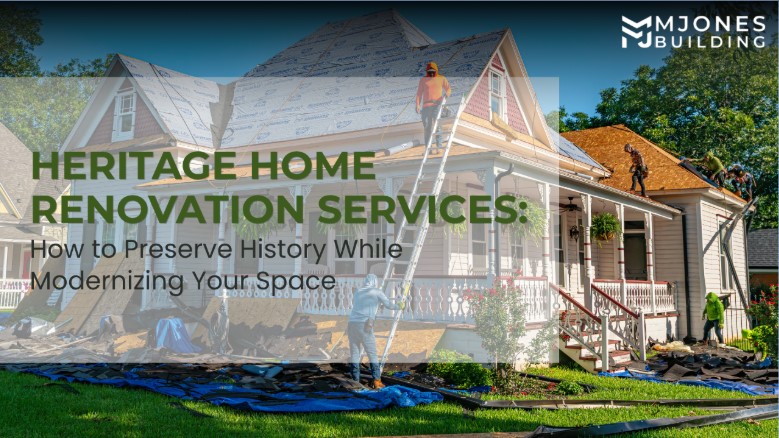
A heritage home renovation is as much about preserving the character of an older property as they are introducing modern touches that improve comfort, functionality, and efficiency. Thoughtful planning enables homeowners to preserve the narrative of their home’s unique history while adapting it for modern-day lifestyles.
Why Heritage Home Renovation Matters
Heritage homes are more than just buildings. They represent architectural craftsmanship, cultural history, and design traditions that are often difficult to replicate today. Original Timber detailing, decorative moldings, fireplaces, and period features help add to the character and identity of these houses.
When renovating a heritage property, the goal should not be to erase its past. Instead, homeowners should focus on enhancing the home’s livability while respecting the features that make it special. Experts in heritage renovations emphasize preserving original details whenever possible because these elements contribute significantly to a home’s character and historical value.
For homeowners considering professional renovation services, working with experienced specialists in heritage home renovation can help ensure that historical integrity is maintained throughout the project.
Understanding the Unique Challenges of Heritage Homes
Unlike modern houses, heritage properties often come with unique challenges that require careful planning.
Some common issues include:
- Outdated electrical and plumbing systems
- Insufficient insulation
- Structural wear and tear
- Moisture and drainage concerns
- Compliance with local heritage regulations
Before beginning any renovation, it is important to conduct a thorough assessment of the property’s condition. Understanding the home’s structure, materials, and previous modifications can help identify potential challenges before work begins.
Key Principles for Preserving Historical Character
Retain Original Architectural Features
One of the most important aspects of heritage home renovation is preserving original architectural elements whenever possible.
Features worth protecting include:
- Timber flooring
- Decorative moldings
- Ceiling roses
- Fireplaces
- Original staircases
- Historic windows and doors
Design experts recommend restoring these features rather than replacing them, as they help maintain the home’s authenticity and charm.
Research Your Home’s History
Learning about your home’s architectural style and history can guide renovation decisions. Historical photographs, original plans, and local archives may provide valuable insights into the property’s original appearance.
Research helps homeowners determine which features are historically significant and which areas can be adapted to modern needs without compromising character.
Respect the Original Design
When introducing modern updates, aim for a design that complements the home’s existing architecture. New additions should blend harmoniously with original structures rather than compete with them.
Best practice guidelines suggest that modifications should use materials, colors, and design elements that work cohesively with the existing building.
Modern Upgrades That Work Well in Heritage Homes
Improve Energy Efficiency
Many heritage homes were built before modern energy standards existed. Fortunately, it is possible to improve efficiency without sacrificing character.
Consider:
- Roof and wall insulation
- Draught proofing
- Secondary glazing
- Energy-efficient heating systems
- LED lighting upgrades
These improvements can significantly enhance comfort while reducing energy consumption.
Upgrade Kitchens and Bathrooms
Kitchens and bathrooms are often the most practical spaces to modernize.
Successful renovations typically combine modern appliances and fixtures with design choices that reflect the home’s heritage style. This approach creates a seamless blend of old and new.
Strengthen Structural Integrity
Older homes may require structural upgrades to meet modern safety standards.
Potential improvements include:
- Foundation repairs
- Seismic strengthening where required
- Roof restoration
- Timber repairs
- Moisture management systems
Addressing these issues early helps preserve the property for future generations.
Planning a Successful Heritage Home Renovation
Consult Heritage Specialists
Heritage renovations require expertise that differs from standard home remodeling. Builders, architects, and tradespeople experienced with older homes understand how to work with traditional materials and construction methods.
If you’re looking for guidance, professional heritage home renovation services can help navigate the complexities of restoration while protecting valuable architectural details.
Check Local Regulations
Depending on your property’s status, local council or heritage guidelines may apply. Understanding these requirements before starting work can help avoid costly delays and compliance issues.
Set a Realistic Budget
Heritage renovations often uncover hidden issues once work begins. Allocating contingency funds in your budget can help cover unexpected repairs and maintain project momentum.
Sustainability Benefits of Heritage Home Renovation
Renovating and preserving existing buildings is often more environmentally responsible than demolition and rebuilding. Reusing original materials reduces construction waste and helps conserve the embodied energy already invested in the structure.
Research on historic building renovation highlights the environmental advantages of preserving and upgrading heritage properties rather than replacing them entirely.
Common Mistakes to Avoid
When renovating a heritage home, avoid these common pitfalls:
- Removing original features unnecessarily
- Ignoring structural issues
- Using incompatible modern materials
- Skipping historical research
- Failing to obtain required approvals
- Prioritizing trends over timeless design
A thoughtful approach ensures that modern updates enhance rather than diminish the home’s character.
Frequently Asked Questions
What is considered a heritage home?
A heritage home is typically a property recognized for its historical, cultural, architectural, or social significance. Definitions and regulations vary by local authority.
Can I modernize a heritage home without losing its character?
Yes. Careful planning allows homeowners to introduce modern conveniences while preserving important architectural features and historical details.
Do heritage renovations cost more than standard renovations?
In many cases, yes. Specialized materials, skilled craftsmanship, and compliance requirements can increase costs. However, the long-term value and preservation benefits often outweigh the additional investment.
Should I replace the original windows in a heritage home?
Whenever possible, original windows should be restored rather than replaced. If replacement is necessary, choose options that closely match the original design and appearance.
How long does a heritage home renovation take?
Project timelines vary depending on the scope of work, property condition, and regulatory approvals. Heritage renovations often take longer than conventional remodeling projects due to their complexity.
Conclusion
A successful heritage home renovation preserves the unique character and history of a property while creating a comfortable, functional space for modern living. By retaining original features, researching the home’s history, respecting architectural integrity, and planning upgrades carefully, homeowners can enjoy the best of both worlds.
Whether you’re restoring a villa, bungalow, or period home, taking a thoughtful approach ensures that its story continues for generations to come.
If you’re planning a heritage home renovation and want expert guidance tailored to your property’s unique needs, contact us to discuss your project and explore the best renovation solutions for your home.